Buddhist and Psychoanalytic Psychotherapy

A focussed approach to emotional wellbeing

Psychotherapy for individuals and couples in Ōtepoti Dunedin.

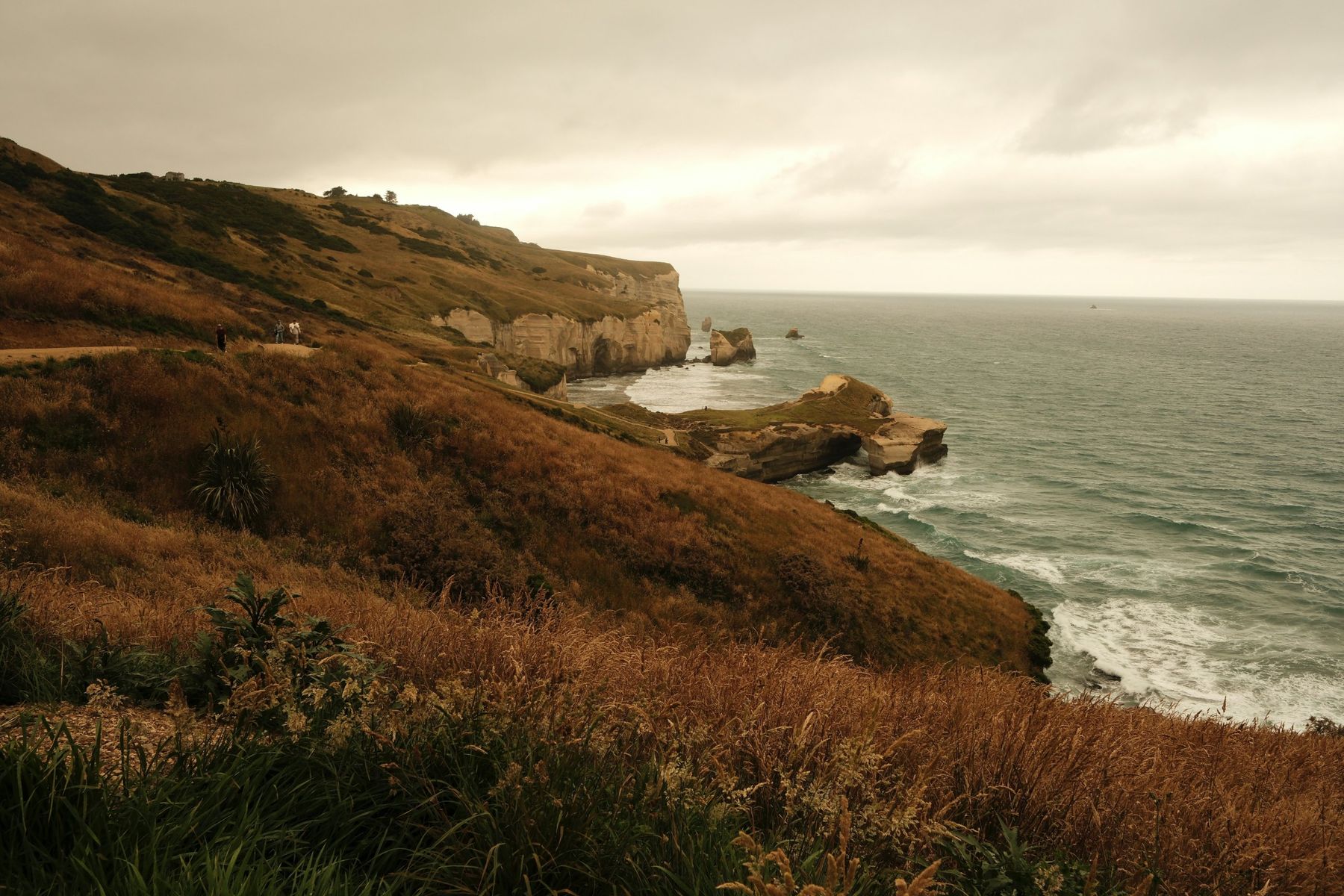
Golden grass on sandstone cliffs above the sea on the Dunedin coast

What I offer

I am trained and practise as a psychoanalytic and Buddhist psychotherapist.

Buddhist psychotherapy is based on Buddhist psychology and is not a religious practice or approach.

Psychoanalytic psychotherapy aims to help people understand and resolve their problems by increasing their awareness of their inner world. It differs from most other therapies in aiming for deep-seated change in personality and emotions. It’s effective for a range of psychological and emotional problems (Shedler, 2010).

Shedler, J. (2010). The efficacy of psychodynamic psychotherapy. American Psychologist, 65(2), 98–109. doi.org/10.1037/a0018378

Individual psychotherapy

For individual work I offer both longer-term as well as time-limited psychotherapy. Time-limited work is typically around 20 weekly sessions and has a specific focus. This focus and the number of sessions are agreed at the start of therapy.

I work with people 16 years and older. At the start of therapy we explore the approach that will work best for the way you want to work and how you see your internal world.

Fee · typically $160per session

Couple psychotherapy

I offer a combined psychoanalytic, Gottman, and Buddhist approach to couple psychotherapy. This helps with conflict and betrayal, and explores how past relationships influence the present dynamics.

Couples psychotherapy is for adult couples, whether married or not, whatever your genders or sexualities, and whether you live together or apart. It is not suitable where separation is permanent, when a mediator is appropriate.

Fee · typically $200per session
First session $300for 90 minutes
Harakeke in flower among coastal grasses at dusk

Psychotherapy

Psychotherapy can help with making sense of behaviours that might be stuck or repeated. These can result in unsatisfactory relationships, or troublesome feelings and unsettledness.

This might result in depression, anxiety, grief, and intense sadness, as well as conflict in relationships at home or at work. Couples therapy focusses on miscommunications and relationship tension.

Approach

In our sessions I listen for the patterns that keep repeating from the past to the present, whether in relationships, in feelings, or in how we treat ourselves. We try to understand where these patterns come from, and what they protect or defend against.

Buddhist psychology adds a steady, compassionate attention to what is happening now, so that difficult experiences can be looked at without judgement.

Where longer psychoanalytic work would be too much, I sometimes use Internal Family Systems (IFS), a gentler and more structured way of getting to know the different parts of ourselves and understanding their purpose.

Making the decision to start psychotherapy can be difficult. Often the most important decision is finding a psychotherapist and an approach that works for you. Typically therapy is once a week, although it can be more frequent in some situations, and usually it lasts for about 50 minutes or 60 minutes for couples.

  • Once a weektypically, and sometimes more often
  • 50 minutesfor an individual session
  • 60 minutesfor a couple session

Getting started

What happens when you get in touch, and the practical things worth knowing before you do.

  • First contact

    Email or message me on Signal. I reply within 48 hours, and a first conversation carries no obligation.

  • The first session

    For individual therapy, this is an initial consultation to talk about what you’re looking for, and whether what I offer suits you. For couples, the initial session is a 90-minute joint session. These are charged at the usual rates.

  • Where

    My rooms are at H&P Wellness, 268 Stuart Street, in central Dunedin. Parking on the street, free or low cost, is a short walk away. The rooms are reached by stairs only; there is no lift.

    After we’ve met in person, sessions can also be online, using Whereby.

  • When

    I usually see people on Mondays and Thursdays, with some evening and Saturday morning times.

    At present it’s usually two to three months before a new start is possible. I don’t keep a waitlist, so when you get in touch I’ll let you know the likely timing.

  • Fees and funding

    Fees are shown under What I offer. If you cancel with less than 24 hours’ notice, half the usual fee is charged.

    ACC can fund therapy for people affected by sexual abuse or assault, and I’m registered with ACC’s Sensitive Claims Service to provide it. I don’t usually work through employee assistance (EAP) schemes.

  • Confidentiality

    What we talk about is confidential, unless the law requires me to share something, such as when there’s a serious risk of harm to you or someone else. Where possible, we’d talk about it first.

    More in your rights and privacy.

If what I offer isn’t the right fit, I’ll help you find a service that is.

Te Tiriti o Waitangi

I’m committed to Te Tiriti o Waitangi and to practice that is culturally safe for Māori clients and whānau. Whānau are welcome to be part of your therapy if you would like that.

Being based within H&P Wellness, I can also draw on cultural support, and refer to kaupapa Māori services where that would serve you better.

Experience

Robert Ford

Both registers are public; the links above open them. Registration numbers are on your rights and privacy.

I am a registered psychotherapist, working psychoanalytically, and a registered clinical social worker.

I have additional training in: brief psychotherapy, clinical supervision, couple psychotherapy, Buddhist psychotherapy, and Internal Family Systems (IFS) therapy.

Alongside private practice I work part-time in a specialist psychiatric hospital. I’m also undertaking doctoral research on Buddhist psychology and Western psychotherapy, and I’m president of the Australian Association of Buddhist Counsellors and Psychotherapists (AABCAP). I’m also a guest member of the New Zealand Institute of Psychoanalytic Psychotherapy (NZIPP).

Qualifications and training

  • Master of Clinical Science (Psychotherapy)
  • Master of Arts (Social Work)
  • Bachelor of Science
  • Two-year Professional Training in Buddhist Psychotherapy (diploma level)AABCAP, Australia
  • Certificate in Applied IFS Therapy (80 hours)Adler Graduate Professional School, Toronto
  • Completed Level 3 Training in Gottman Method Couples Therapy

Meaning of Padma

Padma is a Sanskrit word meaning lotus. It is one of the eight auspicious symbols (aṣṭamaṅgala) in Buddhism, and is typically used to indicate change and compassion. The bodhisattva of compassion, Avalokiteśvara, is often called Padmapāṇi, “lotus in hand”.

The lotus grows from the mud, through the water, and into the light, symbolising the path to understanding.

  1. Mud
  2. Water
  3. Light

Contact

If you’d like to talk about starting psychotherapy, or have a question first, you’re welcome to get in touch.

  • Emailrobert@padma.nz
  • Signalpadma.03I use Signal for secure encrypted messages.
  • Rooms268 Stuart StreetH&P Wellness, central Dunedin. Stairs only, no lift.
QR code to message padma.03 on Signal

Scan with your phone’s camera to message me on Signal.

Message me on Signal
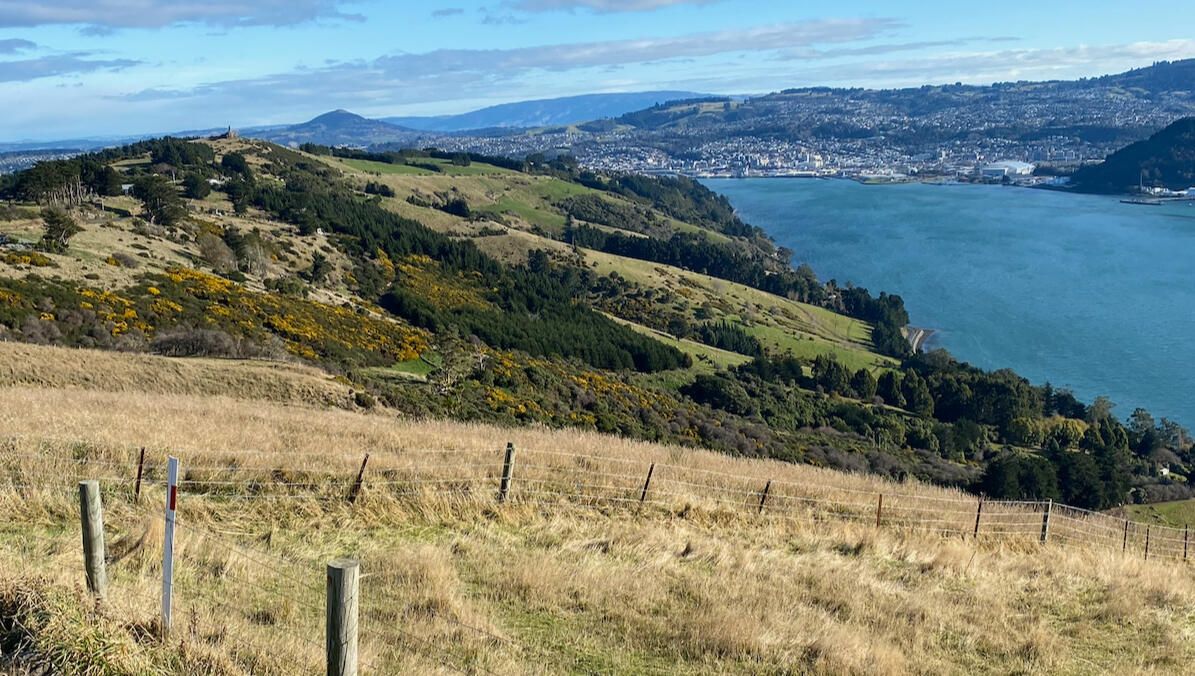
View of Dunedin
Ōtepoti Dunedin